

Trading : 7am to 5pm (Mon-Sun)
Call Us : (03) 7071 0777
Email Us : sales@primalhunter.com.au
NEED HELP?
Hours: 7am-5pm (Mon-Sun)
Ph: (03) 7071 0777
E:sales@primalhunter.com.au

Thermal imaging has become one of the most effective tools available for hunters and pest controllers.
The ability to instantly detect heat signatures, regardless of lighting conditions, has completely changed the way many people approach hunting and pest management.
But there has always been one major obstacle. Price.
For years, thermal scopes offering features like quality thermal imaging, laser rangefinder and ballistic calculators have typically sat well above the reach of the average shooter.
That's where the new Hikmicro NEOS range enters the conversation.
Rather than trying to compete directly with flagship thermal scopes, Hikmicro has focused on something arguably more important.
Making thermal technology accessible to a sometimes neglected group in the hunting and pest control community.
So who exactly is the NEOS designed for? And more importantly, is it actually any good?
Let's take a closer look.
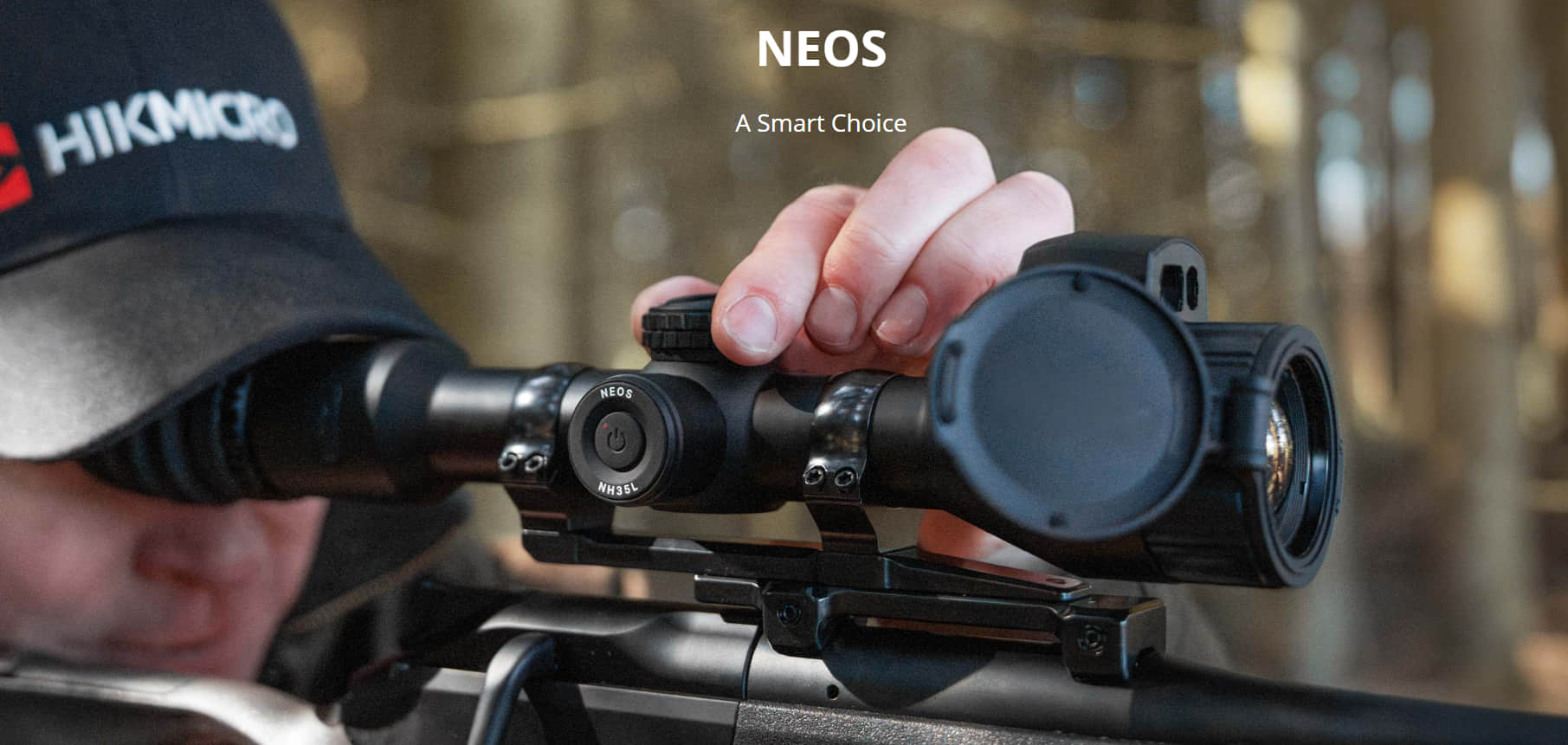
If you've spent any time around pest controllers, you'll know that night vision has traditionally been the preferred choice for short range pest control.
Especially for those who don’t do it professionally on a daily basis and don't have the budget for premium thermal.
Think rats around sheds, rabbits in paddocks, foxes around chicken coops, or general farm pest management inside 100 metres.
The reason is simple.
Night vision has always offered outstanding value for money.
A quality digital night vision setup consisting of a day/night scope with a built in laser rangefinder and ballistic calculator, paired with a decent IR torch kit, can often be put together for under $2,000.
Compared to thermal systems, that could mean saving hundreds or even thousands of dollars.
For many hunters, especially those using air rifles, PCPs and rimfires, that made night vision the obvious choice.

The reality is that for typical pest control distances between 0 and 100 metres, modern night vision can work exceptionally well.
Provided you're running a quality IR torch setup, identification is usually excellent.
You can clearly distinguish rabbits from hares, identify foxes, and generally see enough detail to make ethical shooting decisions.
The challenge isn't always identification. The challenge is often detection.
Anyone who has spent a considerable amount of time doing pest control knows exactly what this means.
A rabbit partially hidden behind scrub. A rat moving through a rubbish pile.
A fox sitting in long grass. A pigeon tucked into a tree line.
Even with a good night vision setup, these situations can sometimes be surprisingly difficult.
The target may technically be visible, but finding it in the first place can take time.
This is where thermal imaging has always had a huge advantage.
Heat signatures stand out immediately against the background, making detection dramatically faster and easier.
The problem?
Most thermal setups with the features hunters actually want can cost thousands more than a comparable night vision system.
Once you start adding laser rangefinders, ballistic calculators and premium image processing, prices can quickly climb beyond what many pest controllers are comfortable spending.

This is exactly the gap that Hikmicro appears to have identified with the NEOS range.
Rather than creating another premium thermal scope aimed at centrefire and longer range hunters, they've focused on building a practical thermal solution for the everyday pest controller.
The inspiration is obvious.
The NEOS borrows heavily from the lightweight and compact chassis of the hugely popular Alpex Lite night vision scope.
That smaller form factor has been a favourite among airgun, rimfire and farm pest control users for good reason.
It's lightweight, easy to carry and doesn't turn a rifle into a cumbersome setup.
Hikmicro has then combined this familiar design with thermal technology derived from their Stellar 3.0 thermal range.
The result is a thermal scope that offers many of the features hunters have been asking for.
Including laser rangefinding and ballistic calculations, while remaining far more affordable than traditional premium thermal optics.

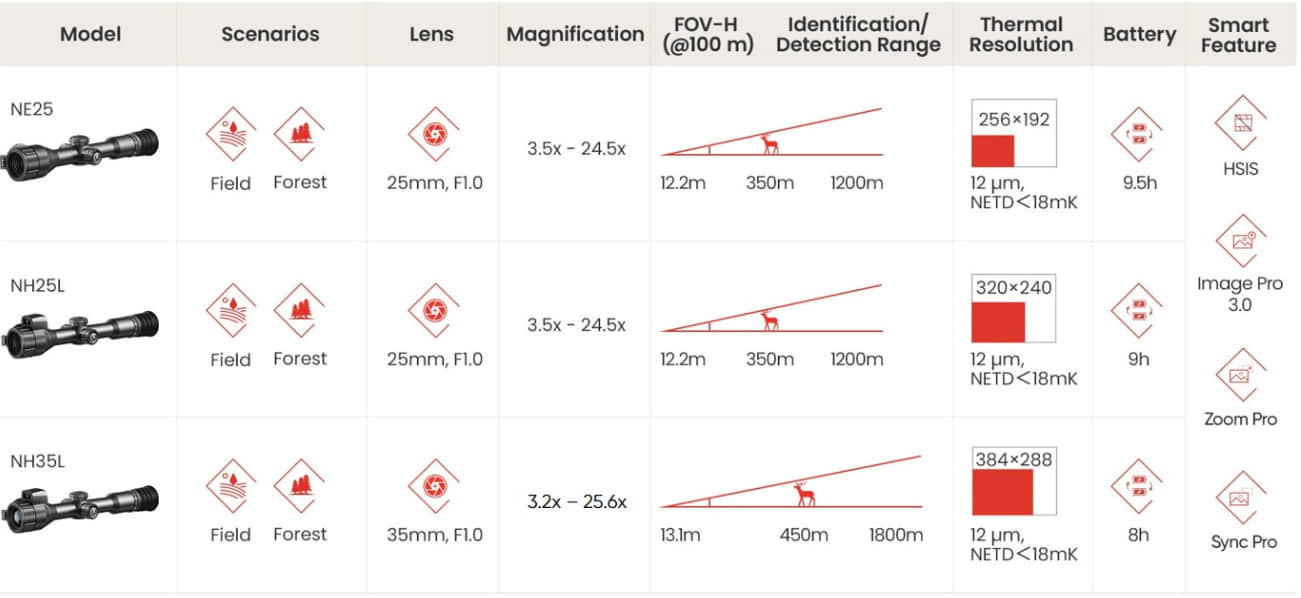
The NEOS range consists of three models.
The entry level model features a 256px thermal sensor and does not include a laser rangefinder or ballistic calculator.
This option is likely to appeal to casual pest controllers looking for an affordable introduction to thermal imaging.
Stepping up to the NH25L brings a 320px thermal sensor along with an integrated laser rangefinder and ballistic calculator.
For many users, this will likely represent the sweet spot between performance and affordability.
At the top of the range sits the NH35L, featuring a 384px thermal sensor alongside the built in laser rangefinder and ballistic calculator.
This is the flagship model of the lineup and offers the best image quality available within the NEOS family.
All models feature a 3.2 - 3.5x base magnification and a slightly narrower field of view which helps with fast acquisition of targets and precise shot placement.
Together, these three models create a range that caters to a broad spectrum of users.
Whether you're simply controlling rats around a shed or operating as a professional pest controller helping farmers manage rabbit populations, there's likely a NEOS model that fits both your needs and budget.
This is probably the biggest question surrounding the NEOS range.
And the answer is surprisingly straightforward.
The NEOS performs very well within the role it was designed for.
Will it compete directly with premium 640px thermal scopes costing $5,000 or more?
No.
And it was never intended to.
The flagship NH35L uses a 384px thermal sensor, which naturally won't deliver the same level of image detail and long range performance as top tier 640px systems.
However, context matters.
The vast majority of rabbit, rat and general pest control work occurs well inside 150 metres.
Many shots occur inside 60 metres.
At those distances, a quality 384px thermal sensor is more than capable of getting the job done effectively.
For its intended audience, the NEOS doesn't need to beat premium thermal scopes.
It simply needs to provide reliable detection, adequate identification and practical hunting performance at a more accessible price point.
And on paper, that's exactly what it appears to deliver.
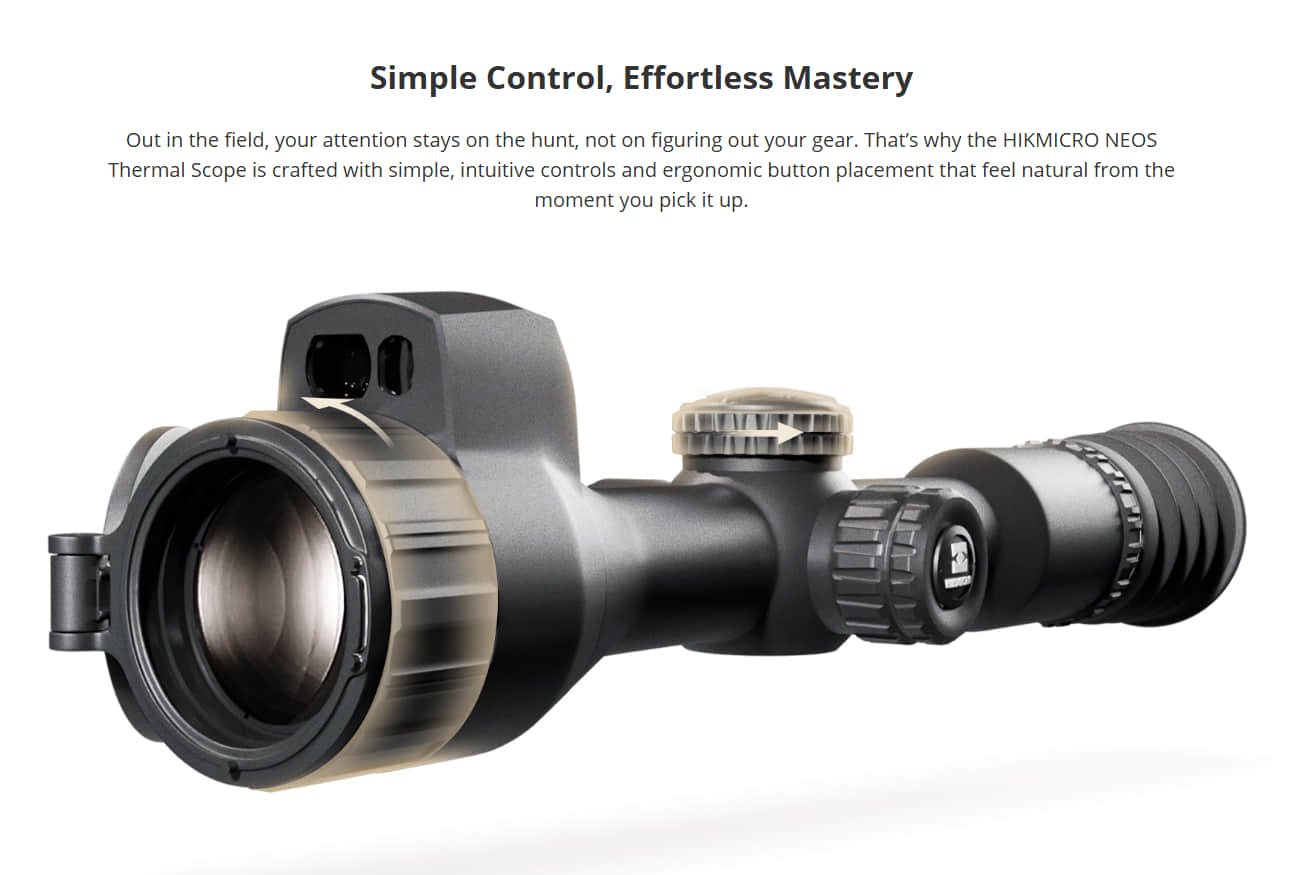
One of the most impressive aspects of the NEOS range is that Hikmicro hasn't stripped away all of the premium software features.
The NEOS incorporates Hikmicro's Image Pro and Zoom Pro technologies, features that have traditionally been associated with their higher end thermal products.
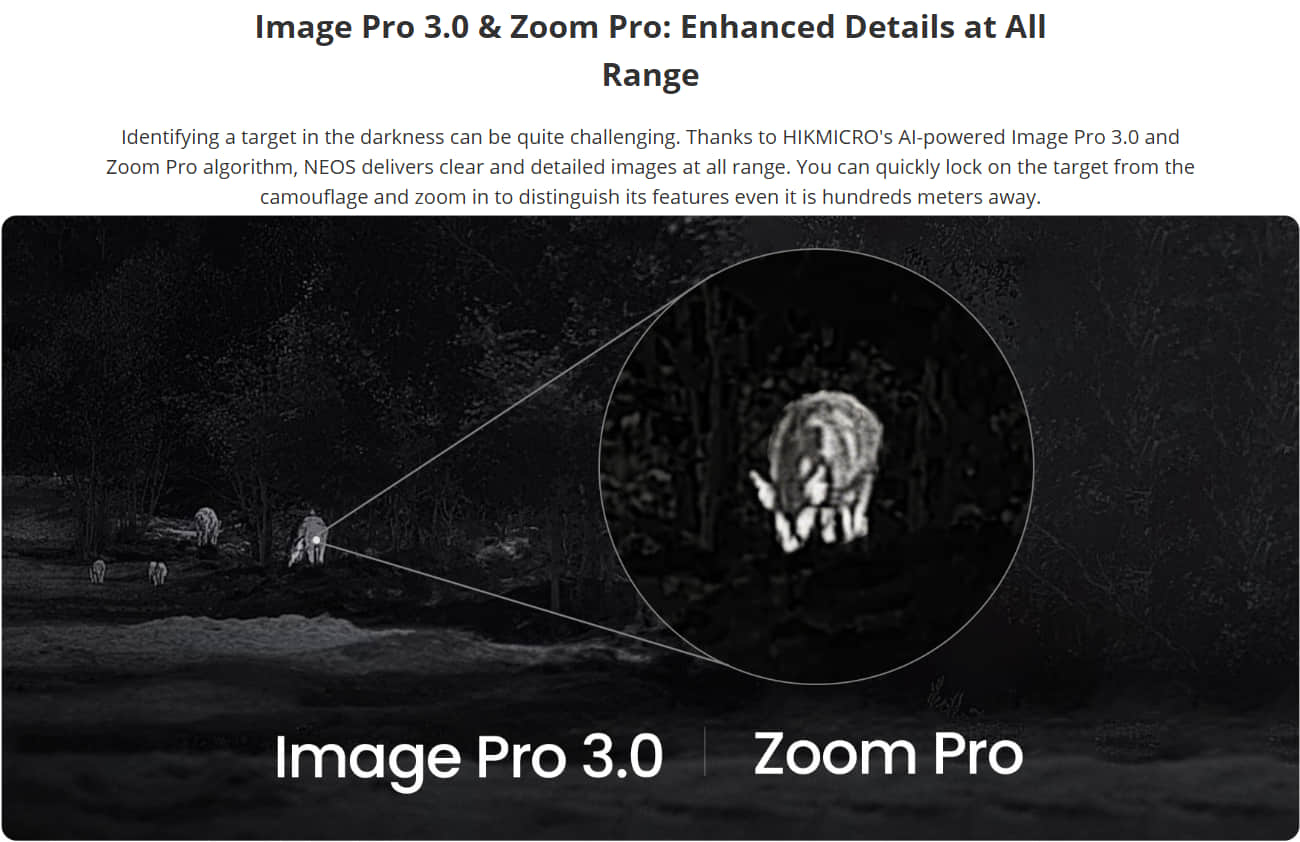
Image Pro helps enhance image clarity and detail, while Zoom Pro improves image quality when using digital magnification.
These technologies can make a noticeable difference in real world use, particularly when trying to identify smaller targets at moderate distances.
The new Sync Pro technology paired with its 50Hz refresh rate also means that there is less ‘delay’ between what’s happening in real life vs what’s mirrored on the screen in real time.
For hunters who have always wanted to move into thermal imaging but struggled to justify the cost, the inclusion of these premium software enhancements significantly increases the value proposition.
It's hard not to look at the NEOS range and see it as one of the strongest bang for buck thermal offerings currently available.
While the NEOS certainly has broad appeal, it's fair to say that the range is particularly well suited to air rifles, PCPs and rimfires.
That's where the compact size, lightweight design and intended engagement distances make the most sense.
But what about centrefire users?
Well, the NEOS is recoil rated to handle common hunting calibres, including common larger options such as .308 and even .300 Win Mag.
So durability isn't necessarily the concern.
The bigger consideration is eye relief.
Because of the NEOS’ smaller and more compact design, eye relief becomes a concern when mounted on heavier recoiling rifles.
As the NEOS’ compact form factor requires you to mount the scope quite far back, leaving not too much room for eye relief for heavier recoiling rifles.
For this reason, our recommendation for most dedicated centrefire hunters would still be to consider the Stellar 3.0 range for their thermal imaging needs.
The larger form factor and improved eye relief is generally better suited to centrefire applications and offers a more comfortable shooting experience under recoil.
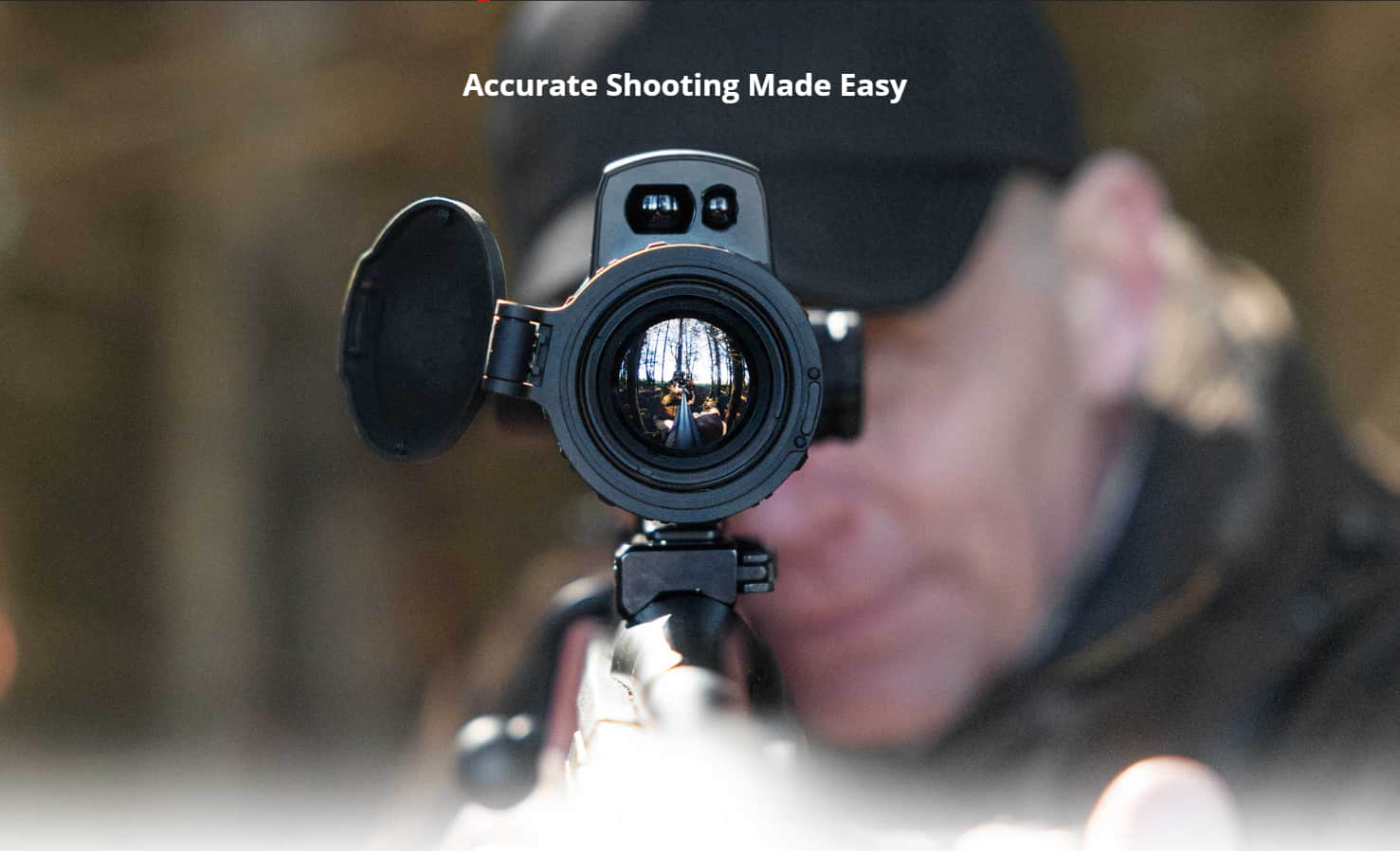
The Hikmicro NEOS isn't trying to replace flagship thermal scopes.
It's trying to make thermal imaging more accessible.
And that's exactly why it deserves attention.
For years, hunters wanting thermal performance with features like laser rangefinding and ballistic calculations often found themselves facing a significant jump in cost.
The NEOS range bridges that gap.
By combining a lightweight, familiar hunting scope design with proven thermal technology and premium software features, Hikmicro has created a thermal platform that feels purpose built for short range pest control.
If your primary focus is rabbits, rats, foxes and general farm pest management, the NEOS represents one of the most compelling thermal options we've seen in quite some time.
It won't outperform a premium 640px thermal scope.
But for many hunters, it doesn't need to.
It simply offers an affordable entry into quality thermal imaging and that alone makes it one of the most interesting thermal releases of the year.
Leave a comment