

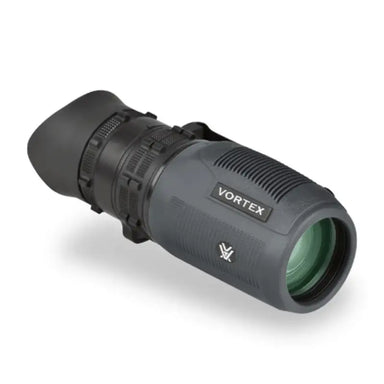
$300.00
VORTEX SOLO 8x36 R-T with RETICLE FOCUS
VORTEX SOLO R/T MONOCULAR – MRAD RANGEFINDING OPTIC FOR HUNTERS & TACTICAL USE When the moment hits, you don’t get tim...
View full details
$300.00
Binoculars too bulky? Spotters too heavy?
Ditch the weight, not the clarity. Our monoculars deliver sharp, long range vision in a lightweight frame.
Explore now and hunt hard, travel light!
Have a general question about monoculars? The answer to your question might be covered in our FAQs section at the bottom of the page, check it out!

VORTEX SOLO R/T MONOCULAR – MRAD RANGEFINDING OPTIC FOR HUNTERS & TACTICAL USE When the moment hits, you don’t get tim...
View full details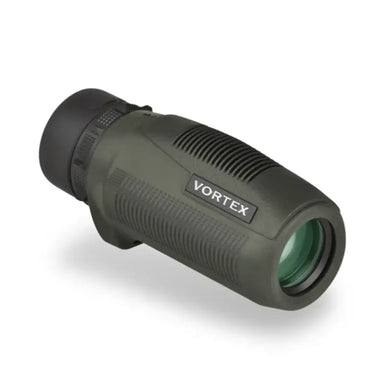
COMPACT HUNTING MONOCULAR FOR QUICK TARGET IDENTIFICATION – LIGHTWEIGHT, WATERPROOF FIELD OPTIC FOR AUSSIE HUNTERS In the ...
View full details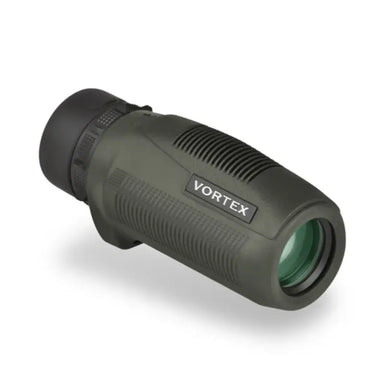
VORTEX SOLO MONOCULAR – EVERYDAY CARRY OPTIC FOR FAST, CLEAR FIELD VISION You don’t always have time to dig through your p...
View full details
Vixen Multi 6x16 Monocular The most versatile 6× magnification. Great for use at museums and exhibits. A great gift for that hard to please person....
View full details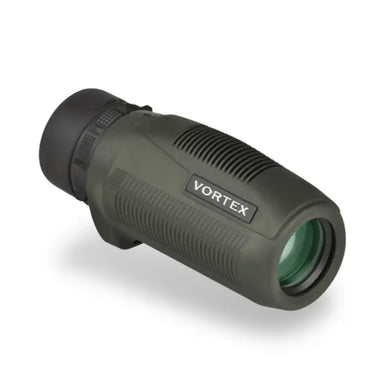
VORTEX SOLO 8x25 MONOCULAR – ULTRA LIGHTWEIGHT OPTICS FOR HUNTING & OUTDOOR USE You don’t always need full-size binocu...
View full details
Vixen Multi 4x12 Monocular The extended 15mm long eye-relief It can be use for capable of relieving fatigue of the eye, even when observation is co...
View full details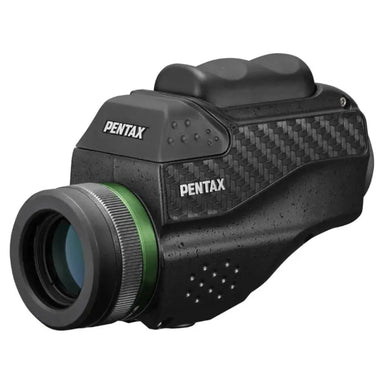
Pentax VM 6x21 WP Monocular At a glance Phase-Corrected Roof Prisms Anti-Reflection Fully Multicoated Short 5' Close Focus Distance One-Hand Rocki...
View full details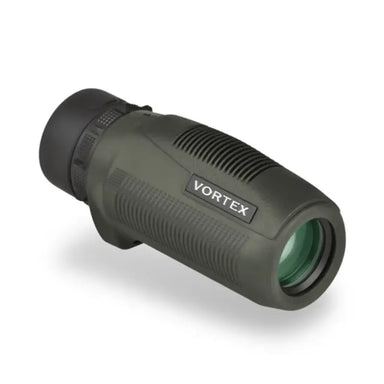
VORTEX SOLO 10x25 MONOCULAR – ULTRA LIGHTWEIGHT 10X POWER FOR HUNTING & OUTDOORS The best gear is the gear you actuall...
View full details
Vixen ATERA 6-12x25 Stabilised Zoom Monocular - Champagne Gold At a glance ±3° Vibration Compensation BK7 Primary Prism with BAK4 Secondary Phase ...
View full detailsSHOP BY CONCERN


Monoculars are compact, single eyepiece optical devices designed for magnifying distant objects, essentially a one eyed version of binoculars. They are lightweight, portable, and ideal for activities like birdwatching, hiking, or sporting events, offering convenience when full binoculars are unnecessary or too bulky, though they typically provide less depth perception and field of view compared to binoculars.
The best monocular magnification depends on how and where you’ll use it. For most hunting and outdoor activities, 8x to 10x magnification strikes the right balance between zoom power and image stability. Higher magnification like 12x or more offers greater detail at long range but can be harder to keep steady without a tripod. For handheld use in the bush, a compact 8x or 10x monocular is ideal offering clear, wide views without too much shake or bulk.
Whether a monocular or binocular is better depends on your needs. Monoculars are lightweight, compact, and ideal for quick spotting and single eye use perfect for hunters, hikers, or anyone prioritising minimal gear. Binoculars, on the other hand, offer a wider field of view and better depth perception, making them great for extended viewing sessions like birdwatching. If you value portability and simplicity, go with a monocular; if comfort and immersion matter more, binoculars may be the better choice.
The best monocular depends on your intended use, but a quality model should offer 8x to 12x magnification, a wide field of view, and multi coated lenses for clear, bright images. For hunters and outdoor use, look for features like waterproofing, fog resistance, and a rugged, lightweight design. Choose one that balances optical clarity, durability, and portability to suit your specific needs.
In monoculars, the numbers (e.g., 10x42) represent magnification and objective lens diameter. The first number (10x) means the image appears 10 times closer than with the naked eye. The second number (42) refers to the size of the front lens in millimetres, which affects brightness and field of view. A larger lens lets in more light, ideal for low light conditions, but may be heavier. So, 10x42 means 10x magnification with a 42mm lens offering a good balance of zoom and clarity.
Yes, monocular telescopes are a great option for those who want a compact, lightweight alternative to binoculars or full sized scopes. They offer excellent magnification and clarity for spotting game, observing nature, or general outdoor use especially when portability matters. While they typically have a narrower field of view than binoculars, high quality monoculars provide sharp detail and reliable performance, making them a solid choice for hunters, hikers, and outdoor enthusiasts who value minimal gear without sacrificing visibility.
Yes, monoculars can be good for bird watching, especially for casual or on the go use, because they are lightweight, compact, and easy to carry compared to binoculars; however, they generally offer a narrower field of view and less depth perception, making it harder to track fast moving birds or observe groups, so they are best suited for spotting birds at a distance or when portability is a priority.